
Quick Start: The Foundation of Self Defense
The best self defense starts long before any physical contact. Over 90% of potential incidents can be avoided through awareness and smart choices. When force becomes necessary, focus on quick, powerful actions that create space so you can escape. These techniques work for people of all ages, sizes, and fitness levels because they rely on leverage, targets, and commitment rather than strength.
Quick Answer: Basic Self Defense Techniques Everyone Should Know
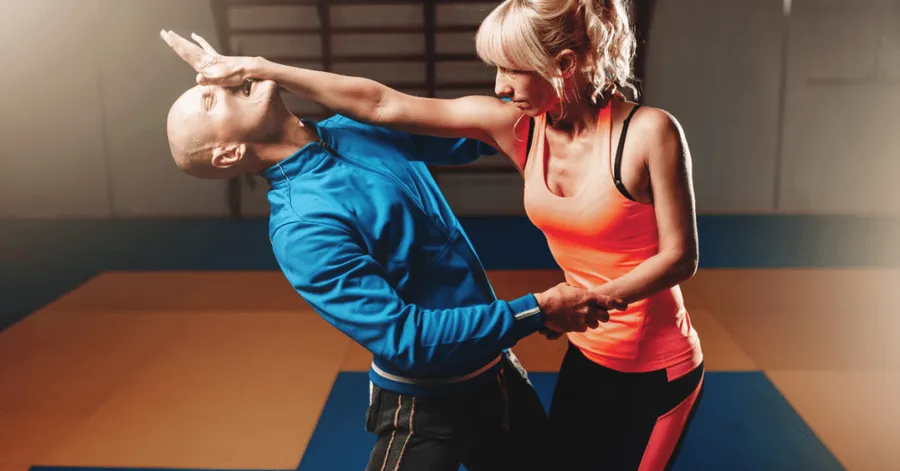
Start with situational awareness—stay alert to your surroundings and trust your instincts. Use your voice loudly to create attention ("Back off!" or "Help!"). Key physical moves include the palm-heel strike to the nose or chin, elbow strikes to the face or body in close range, knee strikes to the groin, and simple escapes like rotating out of wrist grabs toward the thumb or dropping your weight in a bear hug. The goal is always to create distance and run to safety. These techniques require no weapons or advanced training and have helped countless people de-escalate or escape real threats.
Why Situational Awareness Is Your Strongest Self Defense Tool
Most self defense experts agree that awareness prevents far more attacks than any physical technique. When you walk with your head up, scanning your environment instead of staring at your phone, you notice unusual behavior early. Predators look for easy targets—people who seem distracted, isolated, or unsure. By staying in a relaxed but alert state (often called Condition Yellow), you spot potential issues like someone following you or blocking your path and can change direction, enter a public space, or call for help before anything escalates.
Simple habits make a big difference. Identify exits when entering any building, keep distance from strangers in isolated areas, and avoid dimly lit shortcuts at night. Many real-life stories show that people who trusted a "bad feeling" and crossed the street or entered a shop avoided trouble entirely. Combine this with natural ways to reduce anxiety so you stay calm and decisive under pressure.
- Scan ahead and to the sides regularly, not just straight forward
- Trust your gut—if something feels off, act immediately
- Avoid wearing both earbuds in unfamiliar areas so you can hear approaching steps
- Walk confidently with purpose; slouched posture signals vulnerability
Everyday Prevention Strategies That Keep You Safer
Self defense is mostly about never needing to fight. Lock your doors, park in well-lit areas, share your location with a trusted contact when traveling alone, and have your phone ready with emergency numbers. In social settings, watch your drink and stay with friends. These small steps dramatically lower risk without changing your lifestyle much.
De-escalation also matters. If someone approaches aggressively, use firm but calm verbal boundaries while backing away. Loud, assertive commands draw public attention and often make the person think twice. For more on building everyday resilience, check strength training for beginners at home—physical fitness boosts both confidence and the ability to move quickly when needed.
The Ready Stance and Using Your Voice Effectively
When you sense trouble, adopt a balanced stance: feet shoulder-width apart, knees slightly bent, hands up near your face with palms open or fists ready. This position lets you move quickly in any direction and protects your head. It looks non-aggressive but prepares you to act.
Your voice is a powerful weapon. Yelling specific phrases like "Stay back!" or "I need help!" surprises an attacker and alerts others. Practice saying these loudly so they come naturally. Many incidents end without physical contact because the potential victim made noise and created witnesses.
Effective Strikes: Palm Heel, Elbow, and Knee Techniques
These natural-body-weapon strikes work better than closed-fist punches for most people because they reduce injury risk to your hands and deliver more power at short range. The palm-heel strike uses the hard base of your palm driven upward into the nose or chin—aim to snap the head back and create space. Follow through with your body weight for maximum impact.
Elbow strikes shine in tight spaces. Swing your elbow horizontally or downward into the attacker's face, temple, or ribs. Knees target the groin or midsection when pulled close—grab the shoulders or head to control distance while driving the knee up sharply. These moves target vulnerable areas (eyes, nose, throat, groin) and can incapacitate long enough for escape. For overall body conditioning that supports powerful movement, explore home workouts with no equipment.
| Strike Type | Target Areas | When to Use |
|---|---|---|
| Palm Heel | Nose, chin, throat | Frontal approach or grab |
| Elbow Strike | Face, ribs, temple | Close range, pinned arms |
| Knee Strike | Groin, stomach | Attacker pulling you close |
Simple Escapes from Wrist Grabs, Bear Hugs, and Chokes
For a single or double wrist grab, twist sharply toward the attacker's thumb (the weakest part of the grip) while yanking your arm down and away. Immediately follow with a strike and create distance. In a rear bear hug, drop your body weight low, then drive elbows backward into the ribs or groin repeatedly until the hold loosens, then turn and escape.
Front choke defenses start by tucking your chin to protect your airway, then striking the arms or throat area while stepping back. For rear chokes, reach up to pull the arm away or strike backward. The key is to act fast and aggressively—small, hesitant movements rarely work. After escaping, run toward people or lights while continuing to yell. Link this mindset with building trust and boundaries in relationships to recognize unsafe people early.
- Always target the thumb side when breaking grips
- Use your strongest weapons (elbows, knees) against weaker targets
- Never pull straight back—use angles and rotation for leverage
- Practice with a friend or in slow motion first to build muscle memory
Defending Yourself If Taken to the Ground
Being on the ground is scary, but you can still fight effectively. Keep your hands up to protect your face, use your legs to create distance or kick at the attacker's knees or groin, and bridge your hips upward to unbalance someone on top of you. Aim to get back to your feet quickly or roll away. Ground techniques emphasize using your legs' strength and avoiding prolonged grappling if possible.
Training even basic movements improves your chances dramatically. Many successful real-life defenses involved creating enough chaos to stand up and run rather than winning a prolonged fight.
How to Practice These Basic Self Defense Techniques at Home or in a Class
Consistency beats perfection. Spend 10-15 minutes a few times a week shadow-practicing the motions: stance, strikes, and escapes. Use a mirror to check form or record yourself. Add light resistance with a partner or padded target. Focus on speed after you master the technique slowly. Combine with general fitness like weekly home workout plans for beginners to improve reaction time and endurance.
Consider joining a local self defense or martial arts class for feedback and realistic scenarios. Many gyms offer short workshops designed exactly for everyday people. The more you practice, the more automatic these responses become under stress.
FAQs – Basic Self Defense Techniques Everyone Should Know
What are the most important basic self defense techniques everyone should know?
Awareness, loud voice commands, palm-heel strikes, elbow and knee techniques, and simple grab escapes. These cover most common street scenarios without needing years of training.
How effective are simple self defense moves in real life?
They work best when combined with awareness and the decision to act decisively. Many people have escaped attacks using just one or two well-executed strikes followed by running. The goal is survival and escape, not winning a fight.
Do I need to be strong or fit to use these techniques?
No. They rely on targeting vulnerable areas and using leverage or body mechanics. Even smaller people succeed by striking hard and fast then escaping. Fitness helps with confidence and stamina but isn't required to start.
Should women focus on different self defense techniques?
The core moves are the same for everyone, but women often benefit from extra emphasis on verbal boundaries, awareness in social settings, and using everyday items like keys for added impact if needed. Everyone gains from regular practice.
How often should I practice self defense skills?
Short sessions 2-3 times per week build lasting muscle memory. Refresh techniques monthly and consider annual professional training to stay sharp.
Conclusion – Build Confidence with Basic Self Defense Techniques
Learning these basic self defense techniques empowers you to move through daily life with greater confidence and less fear. Remember: awareness and prevention handle most situations, while simple strikes and escapes give you tools when needed. The real power comes from consistent practice and the mindset that your safety matters—you have the right to protect yourself and get away safely.
Start small today: practice your ready stance in the mirror and rehearse a loud verbal command. Over time, these habits become second nature. For more ways to build physical and mental strength, explore our fitness section or lifestyle guides. Stay aware, stay prepared, and stay safe.
Related Self Defense and Safety Topics
Strengthen your overall safety knowledge with these helpful resources: learn benefits of learning martial arts for self defense, improve reaction time with indoor sports drills, or build confidence through natural ways to boost self-esteem. You can also check practical fitness routines like strength training at home for beginners.
Data Sources & References
Techniques and principles drawn from established self defense systems (Krav Maga, basic martial arts instruction), safety expert recommendations, and real-world incident analyses. Always prioritize professional training and local laws regarding self defense. Information current as of 2026; consult qualified instructors for personalized advice.
For more practical guides across sports, health, and lifestyle, visit our main categories page.