
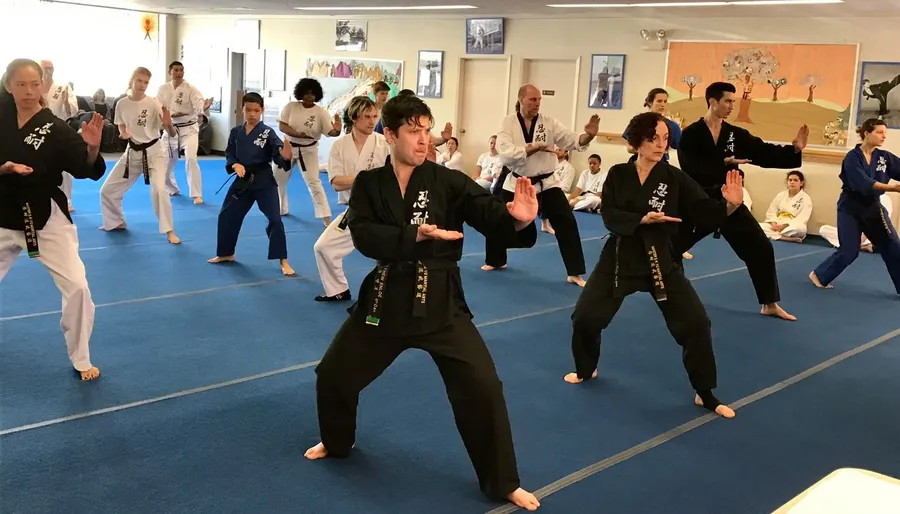
Quick Answer: Why Learn Martial Arts for Self-Defense?
Martial arts training gives you practical skills, sharper awareness, physical fitness, and the confidence to handle dangerous situations. Research shows trained individuals are 50-70% more likely to successfully defend themselves or de-escalate threats compared to untrained people. Beyond protection, it builds discipline, resilience, and overall well-being.
Quick Answer: Why Martial Arts for Self-Defense?
Learning martial arts gives you more than just techniques — it develops muscle memory, quick decision-making under stress, and the physical conditioning needed to protect yourself. Trained people show higher success rates in real confrontations, better de-escalation skills, and significantly increased personal confidence. The benefits go far beyond fighting: improved fitness, discipline, and mental resilience that carry into everyday life.
Practical Self-Defense Skills You Develop
Martial arts teach techniques that work in real situations — strikes, blocks, escapes from grabs, ground defense, and takedowns. More importantly, you learn how to use them under pressure. Regular training builds the ability to react instinctively rather than freezing. Many styles also emphasize verbal de-escalation and awareness, which prevent most potential threats before they turn physical.
Unlike theoretical self-defense classes that last a weekend, consistent martial arts training turns skills into automatic responses through repetition and live practice.
How Martial Arts Build Real Confidence
One of the biggest benefits is the quiet confidence that comes from knowing you can handle yourself. Students often report feeling less anxious in everyday situations because they trust their ability to protect themselves and loved ones. This confidence isn’t arrogance — it’s calm assurance gained from facing challenges in training and gradually overcoming them.
Many beginners notice improved posture, stronger eye contact, and a more assertive presence after just a few months of training.
Physical Fitness and Conditioning Benefits
Martial arts provide full-body conditioning that improves cardiovascular health, strength, flexibility, coordination, and balance. Training sessions often combine high-intensity intervals with strength work, leading to better overall fitness than many traditional gym routines. Regular practitioners typically see improvements in endurance, reaction time, and body composition within the first 8–12 weeks.
The functional fitness gained translates directly to real-life movements and helps prevent injuries in daily activities.
Mental Resilience and Emotional Benefits
Training teaches you to stay calm under pressure, push through discomfort, and control emotions like fear or anger. These mental skills are incredibly valuable in self-defense situations where panic can be more dangerous than the threat itself. Many students also report reduced stress and anxiety levels, better focus, and improved discipline that carries over into work and personal life.
Improved Situational Awareness and Prevention
Good martial arts programs emphasize prevention through awareness. You learn to read body language, avoid dangerous situations, and create distance when needed. This “pre-fight” mindset prevents most potential attacks. Trained individuals are often better at spotting trouble early and removing themselves or loved ones from risky environments.
Real-World Effectiveness: What the Data Shows
Studies on self-defense effectiveness consistently show that people with martial arts training have significantly higher success rates in actual confrontations. Training improves reaction time, decision-making under stress, and the physical ability to apply techniques when adrenaline is high. While no system is 100% guaranteed, consistent training dramatically increases your odds compared to having no preparation.
Which Martial Arts Are Most Effective for Self-Defense?
Styles like Krav Maga focus heavily on real-world scenarios and quick neutralization. Brazilian Jiu-Jitsu excels at ground defense and submissions. Muay Thai and boxing develop powerful striking and clinch work. Many people benefit most from cross-training — combining striking with grappling for well-rounded skills.
The “best” style is one you enjoy enough to train consistently. Consistency beats perfection in any single art.
Tips for Beginners Starting Martial Arts for Self-Defense
- Choose a school with a good reputation for practical training and supportive instructors.
- Train consistently — 2–3 times per week is enough to see real progress.
- Focus on fundamentals before flashy techniques.
- Combine training with basic fitness work like strength training at home.
- Remember that self-defense includes awareness and avoidance, not just fighting.
FAQs About Martial Arts for Self-Defense
Do I need to be fit to start martial arts?
No. A good school will help you build fitness as you learn. Start at your current level.
Can women benefit from martial arts for self-defense?
Absolutely. Many women find it empowering and highly effective for real-world protection.
How long until I can actually defend myself?
Basic usable skills develop in 3–6 months, but real proficiency grows over 1–2 years of consistent training.
Is sparring necessary for self-defense training?
Controlled sparring helps develop timing, distance management, and the ability to perform under pressure.
Conclusion: Martial Arts Offer Powerful Self-Defense Benefits
Learning martial arts for self-defense gives you practical skills, greater confidence, superior fitness, sharper awareness, and mental toughness that extends far beyond physical confrontations. The combination of physical training and mental conditioning creates a well-rounded approach to personal safety that few other activities can match.
If you're ready to start, focus on finding a good school and committing to consistent training. The benefits are well worth the effort.
Data Sources & Further Reading
Insights drawn from self-defense studies, martial arts training research, instructor experience, and real-world feedback from practitioners across different styles. Results vary by individual commitment and training quality.