
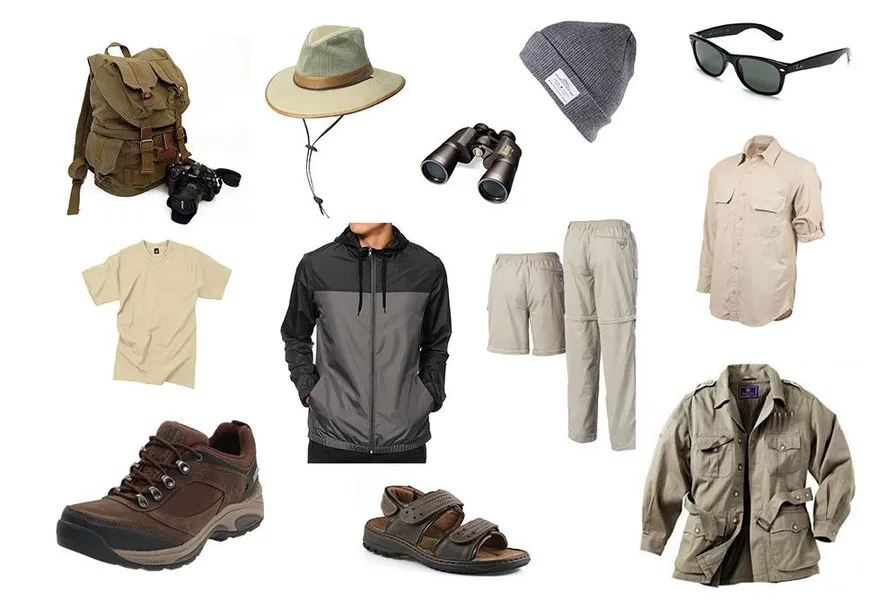
Why a Good Safari Packing List Matters
An African safari is a once-in-a-lifetime experience, but forgetting key items can quickly turn excitement into frustration. With strict luggage limits on light aircraft (often 15kg soft bags only) and dramatic temperature swings between day and night, smart packing makes all the difference.
Quick Answer: What to Pack for an African Safari
Focus on neutral earth-tone clothing, quality binoculars, sun protection, insect repellent, malaria tablets, sturdy shoes, and a good camera. Most travelers pack light — 4-5 days of clothing is usually enough because many lodges offer daily laundry.
Safari Clothing Essentials
The golden rule for safari clothing is to blend in with the environment. Earth tones help you stay inconspicuous to wildlife and also hide the inevitable red African dust.
- 4–5 short-sleeved or long-sleeved button-up shirts in khaki, beige or olive
- 3–4 pairs of quick-dry trousers or convertible zip-off pants
- Lightweight fleece or jacket for chilly morning and evening game drives
- Wide-brimmed hat and buff/scarf for dust protection
- Comfortable walking shoes or lightweight hiking boots
- Moisture-wicking socks and underwear
Avoid bright whites, reds, and blues. Many experienced guides recommend long sleeves and trousers even in warm weather to protect against sun and mosquitoes.
Binoculars, Camera & Photography Gear
Good binoculars are often called the most important item after your camera. A pair of 8x42 or 10x42 gives you the perfect balance of magnification and brightness for spotting distant animals.
For photography, a zoom lens reaching at least 300mm is ideal. Many visitors also bring a smartphone with strong zoom capability as a backup. Don't forget extra batteries and memory cards — power banks are very useful during long game drives.
| Category | Essential Items | Why It Matters |
|---|---|---|
| Clothing | Neutral colors, layers, hat | Camouflage, sun & insect protection |
| Optics | Binoculars 8x42 or 10x42 | Spotting wildlife from distance |
| Photography | Camera + zoom lens, extra batteries | Capturing memorable moments |
| Health | Sunscreen, repellent, malaria tablets | Preventing sunburn & illness |
Health, Hygiene & Medications
Consult your doctor at least 6-8 weeks before travel for malaria prophylaxis and any required vaccinations. Bring a basic first-aid kit with painkillers, anti-diarrhea medication, antihistamines, and rehydration salts.
- High-SPF sunscreen and lip balm with SPF
- Insect repellent with at least 20% DEET
- Malaria tablets (as prescribed)
- Hand sanitizer and wet wipes
- Reusable water bottle (many lodges provide filtered water)
- Prescription medications with copies of prescriptions
A small headlamp or torch is incredibly useful for moving around camp at night and for early morning departures.
Other Must-Have Items for Safari
Pack a lightweight daypack for game drives to carry your camera, binoculars, water, and snacks. Many travelers also bring a small notebook or use their phone to record sightings — it makes the experience even more memorable.
- Power bank and universal travel adapter
- Sunglasses with UV protection
- Lightweight rain jacket (especially for shoulder seasons)
- Binocular harness or neck strap
- Travel insurance documents (printed and digital)
Smart Packing Tips for African Safaris in 2026
Most safari operators limit luggage to 15–20 kg in soft-sided bags only — no hard suitcases on small planes. Roll your clothes instead of folding to save space. Many high-end lodges wash clothes daily, so you really don’t need a huge wardrobe.
If you're heading to Tanzania or the Serengeti, prepare for very cold mornings in the dry season. Layering is everything. Consider buying a good pair of binoculars before your trip — renting on-site is possible but quality varies.
For budget travelers, check out our guide on saving money for big trips to help fund your safari without stress.
FAQs – What to Pack for an African Safari
What should I pack for an African safari?
Neutral clothing, binoculars, camera gear, sun protection, insect repellent, and malaria medication. Pack light and focus on practical, layered items.
What colors should I wear on safari?
Khaki, beige, olive, and grey. These colors help you blend in and show less dust while keeping wildlife calm.
Do I need special clothing for safari?
Long sleeves and trousers made from lightweight, quick-dry fabric are highly recommended for sun and insect protection.
What photography gear is essential for safari?
Binoculars (8x42 or 10x42), a camera with zoom lens (at least 300mm), extra batteries and memory cards.
How much luggage should I take on safari?
Stick to 15kg or less in a soft duffel bag. Many lodges offer laundry service so you can pack fewer clothes.
Conclusion – Pack Smart and Enjoy Your Safari
A well-prepared packing list can make the difference between a good safari and an unforgettable one. Focus on comfort, sun and insect protection, and good optics rather than fashion. Remember that the best memories come from being present in the moment — watching a lion pride at dawn or a herd of elephants crossing the plains.
With this checklist, you'll be ready for the adventure of a lifetime in 2026. Safe travels and may your game drives be filled with incredible sightings.
Related Travel Guides
Planning a full trip? Read our guide to the breathtaking destinations in Tanzania. For more general travel inspiration, explore our travel section.
Data Sources & References
Recommendations based on advice from major safari operators (Asilia, Singita, &Beyond), experienced guides in Tanzania and South Africa, and feedback from thousands of travelers in 2025–2026. Luggage limits and clothing suggestions reflect current operator policies.
For more lifestyle and travel stories, visit our categories page for the latest updates.