
Quick Answer: Key Safety Measures in Motorsport
Modern motorsport safety includes the halo (titanium cockpit protection introduced 2018), HANS device (mandatory since 2003 to prevent neck injuries), carbon-fibre monocoque survival cells, fire-resistant suits, advanced barriers, and rapid medical response. These innovations have significantly reduced fatalities and serious injuries.
Quick Answer: Safety Measures in Motorsport Racing
Racing at speeds over 300 km/h carries huge risks, but the sport has become much safer. The halo device has been credited with saving several drivers from severe head injuries, while the HANS device has virtually eliminated basilar skull fractures. Combined with stronger car structures and better track design, these measures have made motorsport one of the safest high-speed sports.
The Halo Device – Protecting the Driver’s Head
Introduced in Formula 1 in 2018, the halo is a titanium bar structure that sits above the cockpit. It deflects large debris like tyres or other cars and provides protection in rollover or impact situations. FIA simulations based on real incidents showed it improves driver survival rates by approximately 17%.
HANS Device – Preventing Neck Injuries
The Head and Neck Support (HANS) device, mandatory since 2003, anchors the helmet to the driver’s shoulders. It limits dangerous forward and sideways head movement during crashes, preventing the type of basilar skull fractures that once claimed many lives. It has been one of the most effective safety additions in modern motorsport.
Carbon Monocoque Survival Cell
The driver sits inside a strong carbon-fibre “survival cell” designed to absorb and distribute crash energy while keeping the cockpit intact. This structure must pass rigorous FIA crash tests, including frontal, side, and rear impacts.
Fire-Resistant Suits and Cockpit Protection
Drivers wear multi-layer fireproof suits, gloves, and boots that can withstand high temperatures for several seconds. Cockpits include fire extinguishers and breathable air systems in case of fire or smoke.
Track Barriers, Run-Off Areas and Circuit Safety
Modern circuits use energy-absorbing TecPro barriers, wide run-off areas, and gravel traps to slow cars safely. Marshals and medical teams are positioned strategically around the track.
Medical Response and FIA Regulations
Every event has on-site medical helicopters, ambulances, and highly trained doctors. The Virtual Safety Car and Safety Car procedures slow the field during incidents to allow safe recovery.
How Safety Has Improved – Real Impact and Data
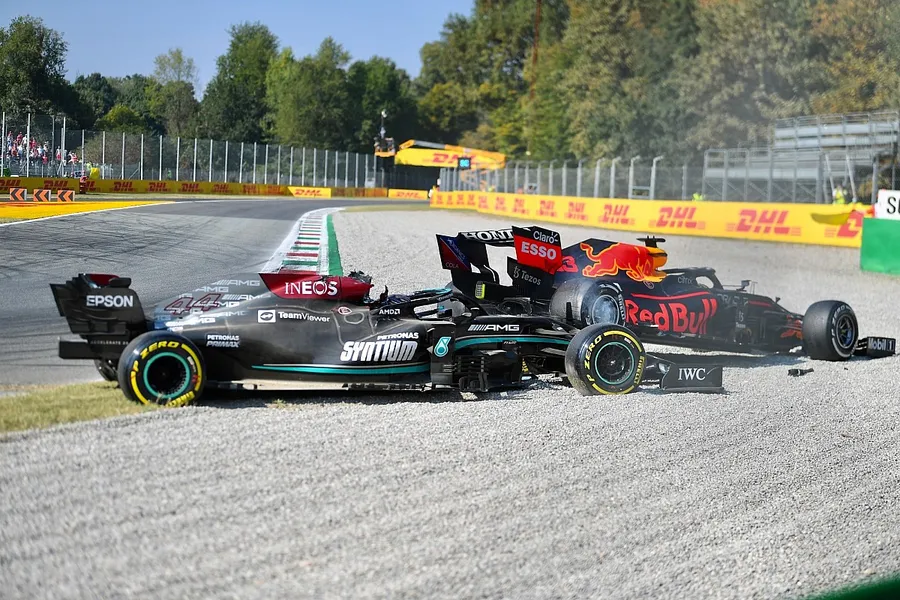
Fatalities in top-level motorsport have dropped sharply. The halo has already protected drivers in several major incidents, including high-speed crashes involving flying tyres or car-to-car contact. HANS has virtually eliminated a once-common fatal injury type.
FAQs – Safety Measures in Motorsport Racing
Has the halo saved lives?
Yes, it has been credited with preventing severe head injuries in multiple incidents since 2018.
What is the HANS device?
A neck support that connects the helmet to the shoulders to reduce dangerous head movement in crashes.
Are modern racing cars safer than before?
Significantly safer due to advanced materials, mandatory devices, and better regulations.
Conclusion: Safety First in Modern Motorsport
Thanks to continuous innovation, motorsport racing is far safer today than in previous decades. Devices like the halo and HANS, combined with strong car structures and improved track design, have saved lives and reduced serious injuries. These safety measures allow drivers to push the limits while giving fans confidence that the sport prioritizes protection.
For more on the machines themselves, read our guide on how Formula 1 cars work. Understanding the rules is also important – see basics of car racing rules and regulations explained.
Data Sources & References
Information drawn from official FIA technical and safety regulations, crash test data, and documented incidents in Formula 1 and other series.