
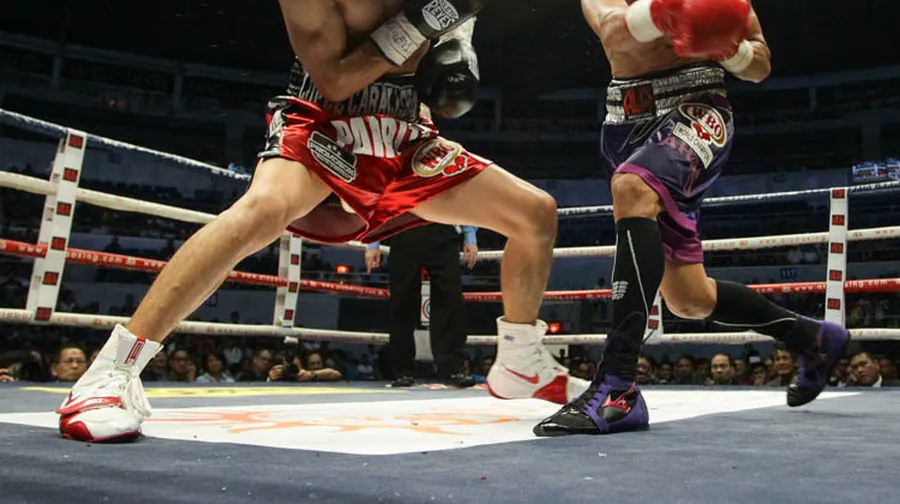
Quick Start: Improve Your Footwork Fast
Great footwork is what separates good boxers from great ones. It helps you evade punches, create angles for your own attacks, and maintain balance for powerful shots. With 10–15 minutes of focused practice most days, beginners can see noticeable improvements in speed and confidence within 2–4 weeks.
Quick Answer: How to Improve Footwork Fast
Practice on the balls of your feet with knees slightly bent. Use agility ladder drills for quickness, shadowbox while focusing on pivots and angles, and incorporate jump rope for rhythm. Do 10–15 minutes daily. Focus on small, controlled steps rather than big lunges. Consistent practice leads to smoother movement and better defense in just a few weeks.
Why Good Footwork Is Essential in Boxing
Footwork is the foundation of everything in boxing. It lets you close distance to land punches, move away from danger, and create better angles for attack. Boxers with excellent footwork look effortless – they’re always in the right place at the right time. Poor footwork makes you slow, easy to hit, and off-balance when throwing power shots.
Elite fighters spend significant training time on footwork because it directly improves both offense and defense. If you’re just starting, improving footwork will give you faster results than focusing only on punching power.
Core Footwork Fundamentals Every Beginner Must Master
Stay on the balls of your feet, not flat-footed. Keep your knees slightly bent for quick movement and balance. Your stance should be comfortable with your lead foot pointing forward and rear foot at about 45 degrees. Move in small steps instead of crossing your feet – crossing feet makes you vulnerable to being off-balance or countered.
Practice maintaining your boxing stance while moving forward, backward, left, and right. Good footwork feels light and controlled, not heavy or clumsy.
Best Drills to Improve Footwork Quickly
These proven drills deliver fast results when done consistently:
- Agility Ladder Drills – High knees, lateral shuffles, and in-and-out patterns build quick feet and coordination.
- Cone Drills – Set up cones in patterns and practice quick direction changes while keeping your hands up.
- Jump Rope – Improves rhythm, calf strength, and overall coordination. Start with basic bounces and progress to double-unders.
- Shadowboxing with Footwork Focus – Move constantly while throwing combinations, emphasizing pivots after each punch.
Do these drills 4–5 days per week for 10–15 minutes. Quality matters more than quantity – focus on clean, controlled movement.
Agility Ladder Drills Specifically for Boxing Footwork
The agility ladder is one of the fastest ways to improve boxing footwork. Try these patterns:
- High knees through each square
- Lateral shuffles (sideways movement)
- In-and-out hops (both feet in, both feet out)
- Boxer shuffle with quick direction changes
Perform each pattern for 30–60 seconds, rest 30 seconds, and repeat 4–6 times. This builds the quick, light foot movement needed to slip punches and create angles.
Using Shadowboxing to Train Footwork
Shadowboxing is perfect for footwork because you can move freely without equipment. Focus on staying light on your feet, pivoting on your lead foot when throwing the rear hand, and constantly changing angles. Imagine an opponent in front of you and practice circling left and right while throwing combinations.
Record yourself occasionally to check your stance and movement. Good shadowboxing footwork looks smooth and purposeful, not random bouncing.
Common Footwork Mistakes Beginners Make (and How to Fix Them)
- Flat feet → Stay on the balls of your feet for quicker reaction.
- Crossing feet → Use small shuffle steps instead.
- Hands dropping when moving → Keep guard up at all times during drills.
- Big, slow steps → Practice short, quick steps and pivots.
Fix these by slowing down initially and focusing on perfect form before adding speed.
Sample Weekly Footwork Training Plan
| Day | Focus | Duration |
|---|---|---|
| Monday | Agility Ladder + Shadowboxing | 15 minutes |
| Wednesday | Jump Rope + Cone Drills | 12–15 minutes |
| Friday | Shadowboxing with Footwork Emphasis | 15 minutes |
| Saturday | Light Sparring or Partner Footwork Drills | 10 minutes focused movement |
Combine this with your regular boxing training and strength work from our fighter workouts guide.
Pro Tips to Speed Up Your Footwork Progress
- Train barefoot or in light shoes occasionally to feel the floor better.
- Always keep your hands up during footwork drills.
- Watch professional boxers and copy their movement patterns slowly.
- Stay relaxed – tense muscles slow you down.
- Practice pivoting after every combination in shadowboxing.
Consistency beats intensity. Short daily sessions produce better long-term results than occasional long workouts.
FAQs About Improving Boxing Footwork
How often should I train footwork?
4–6 days per week with short 10–15 minute sessions is ideal for fast improvement.
Is jump rope good for boxing footwork?
Yes – it builds rhythm, calf strength, and coordination that directly transfers to better movement in the ring.
Can I improve footwork without equipment?
Absolutely. Shadowboxing with focus on movement, pivots, and angles works very well at home.
Should I focus on speed or technique first?
Technique first. Clean, balanced movement at slower speeds builds the foundation for fast, effective footwork later.
Conclusion: Better Footwork Makes You a Better Boxer
Improving footwork in boxing doesn’t require hours of training. Short, focused sessions using agility ladders, jump rope, and mindful shadowboxing can deliver noticeable results in just a few weeks. Good footwork makes you harder to hit, helps you land cleaner shots, and gives you more confidence in the ring.
Combine this training with proper glove selection and safe practice habits. Keep showing up consistently and your movement will transform.
Data Sources & Further Reading
Techniques and drills drawn from professional boxing coaches, agility training research, and practical experience with beginner to intermediate boxers. Results vary by individual consistency and starting level.