
Quick Win Tip
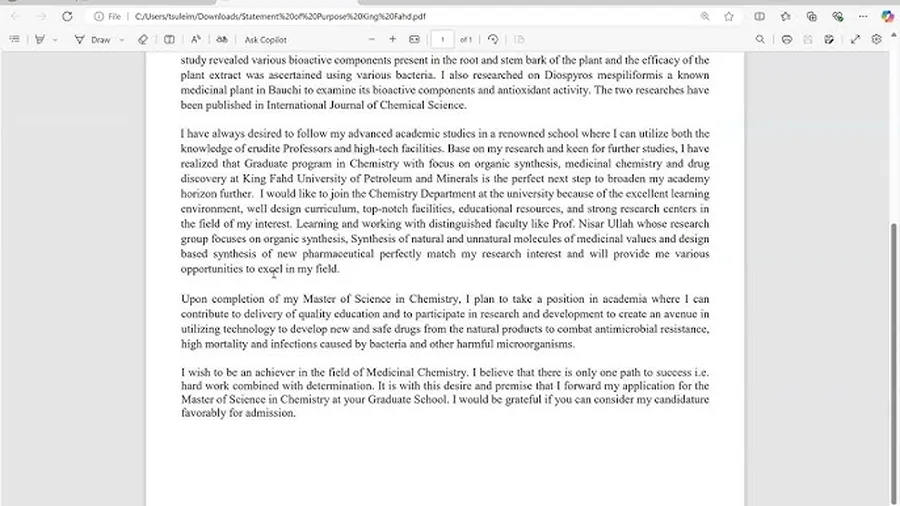
Scholarship committees read thousands of statements. The ones that win are specific, honest, and show clear future impact. A well-written personal statement can increase your success rate by 3-5 times.
Quick Answer: How to Write a Personal Statement
Keep it 500-800 words, start with a strong hook, tell your unique story, explain your goals, show how the scholarship fits, and end with future impact. Be honest, specific, and tailor it to each scholarship.
Why a Strong Personal Statement Can Make or Break Your Application
Most scholarships receive hundreds or thousands of applications. Grades and test scores get you in the door, but the personal statement is where committees decide who truly deserves the funding. A great statement turns your application from good to unforgettable.
Ideal Structure for a Scholarship Personal Statement
- Introduction (80-150 words): Hook + who you are + why this scholarship
- Body (300-500 words): Academic journey, challenges overcome, leadership, goals
- Conclusion (80-150 words): Future vision and how the scholarship helps
Step-by-Step Guide to Writing Your Personal Statement
First, research the scholarship values and mission. Then brainstorm your unique experiences. Write the first draft freely, then edit ruthlessly for clarity and impact. Read our full step-by-step scholarship application guide for the complete process.
Proven Tips That Actually Work
- Use specific examples instead of general statements
- Show, don't tell – describe moments that shaped you
- Connect your past to your future goals
- Keep language natural and professional
- Ask 2-3 people for honest feedback
Common Mistakes That Get Applications Rejected
Repeating information already in your CV, using clichés, writing too generally, ignoring the prompt, and submitting with spelling errors are the fastest ways to lose.
Personal Statement Writing Checklist
| Item | Done? |
|---|---|
| Follows word limit exactly | □ |
| Strong opening hook | □ |
| Specific personal examples | □ |
| Clear future goals | □ |
| No spelling or grammar errors | □ |
| Tailored to the scholarship | □ |
FAQs – Writing a Personal Statement for Scholarships
How do I start my personal statement?
Begin with a short personal story or powerful moment that shaped your goals.
Can I use the same statement for multiple scholarships?
You can use a base version, but always customize the opening and closing for each one.
What if I don't have impressive achievements?
Focus on growth, resilience, and clear future plans. Authenticity wins more often than perfection.
Final Thoughts
Writing a great personal statement takes time and several drafts, but it is one of the most valuable skills you can develop. Combine it with strong academics and our list of best fully funded scholarships for African students to maximize your opportunities.
For more help, explore professional networking and effective study techniques.